Guides 2 min read
High in protein and low in fat, turkey meat is a strong part of a balanced diet. What to know about its nutrients, storage and safe cooking.

With its high protein content and low fat, turkey meat has an important place in a balanced diet. It works just as well in everyday meals as on special occasions.
High-quality protein
Turkey is a quality protein source that contains the essential amino acids the body needs. Skinless breast meat in particular is low in fat and high in protein, making it a good choice for muscle maintenance and satiety.
Vitamins and minerals
Turkey is a good source of niacin (B3), vitamins B6 and B12, and minerals such as selenium, zinc and phosphorus. These nutrients support energy metabolism, immunity and the nervous system.
Breast or thigh?
Breast meat is lighter in color and leaner. Thigh and wing meat is darker, slightly fattier and juicier, and richer in iron and zinc. Much of the fat is in the skin, which can be removed before or after cooking for a lighter dish.
Storage
Raw turkey should be kept refrigerated without breaking the cold chain and eaten within a short time. Thaw frozen meat slowly in the refrigerator, not at room temperature. Use separate cutting boards and knives for raw meat and for foods that are cooked or eaten raw.
Safe cooking
Turkey should always be cooked thoroughly. The internal temperature at the thickest part should reach at least 74 °C. A meat thermometer is the most reliable way to check; juices should run clear with no pink left.
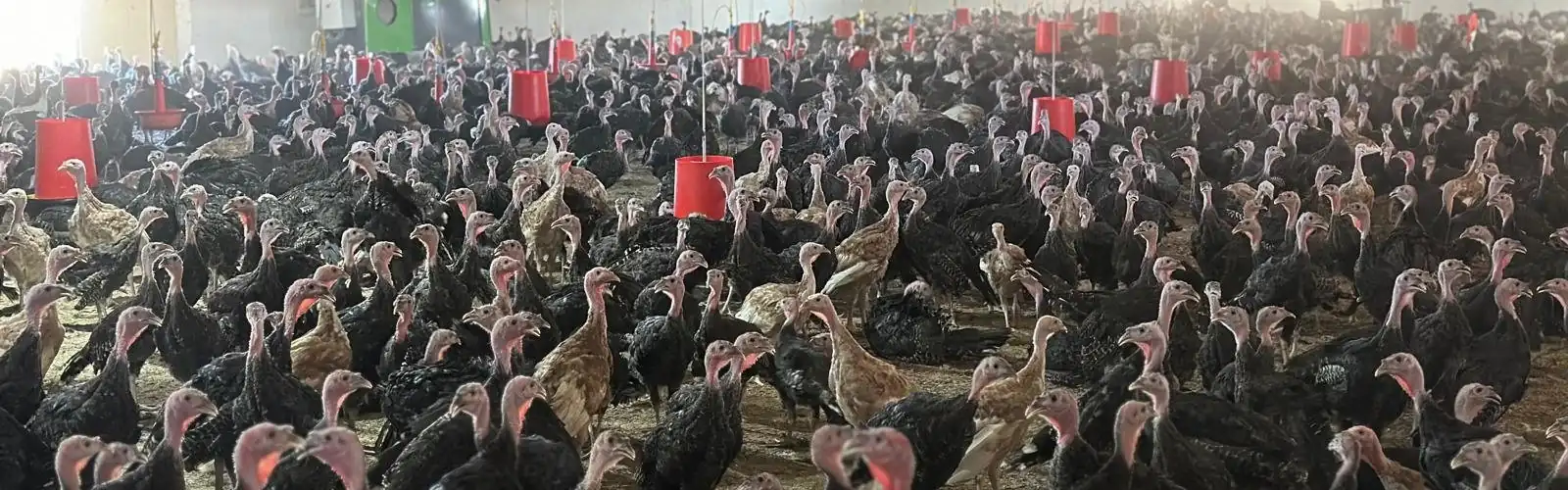
Getting healthy turkey products safely to the table starts with healthy breeders and controlled production.


